
Palliative Care Moment Eye of Horus Game Final Days in UK

In talking about palliative care in the United Kingdom, we find it essential to acknowledge how caring assistance shapes the final days journey. The Horus’s Eye, with its rich meaning, mirrors our quest for hope and recovery amidst this profound path. As we explore the combination of care, amusement, and emotional ease, we’ll discover how these aspects contribute to a serene atmosphere for individuals and relatives alike. What emerges next can be truly enlightening.
Main Points
- Palliative treatment in the United Kingdom concentrates on providing ease and respect for patients at the final days, meeting bodily and emotional needs.
- The Horus’s Eye Game, a gaming theme, often symbolizes safeguarding and recovery, reflecting the caring nature of hospice treatment.
- Involving with entertainment like games can offer psychological relief and moments of joy to individuals and relatives during difficult periods.
- Family involvement in hospice treatment decisions fosters collective psychological assistance, enhancing the overall final days journey for everyone concerned.
- Religious care and communal gatherings in palliative environments contribute to a sense of completion and meaningful connections for individuals and their loved ones.
Comprehending Hospice Treatment in the United Kingdom
Understanding hospice care in the UK involves recognizing its empathetic approach to end-of-life support. Many of us hold misunderstandings around hospice myths, believing it’s solely about dying rather than living fully until the end. In reality, hospice care provides vital palliative options that focus on comfort and quality of life. It embodies a holistic philosophy, addressing bodily, emotional, and spiritual needs. We should also note that hospice isn’t just for cancer patients, as it serves individuals facing various terminal illnesses. By dispelling these myths, we can foster a greater understanding of the invaluable services hospice provides. Together, let’s appreciate the dignity and respect hospice care offers to individuals and their families during life’s most difficult moments.
The Role of Compassionate Support in End-of-Life Care
In our exploration of end-of-life care, we can’t underestimate the importance of compassionate support. Empathy, patient-centered communication, and family involvement are key elements that significantly influence the experience of both patients and their loved ones. By understanding and implementing these strategies, we can substantially enhance the quality of care during such a pivotal time.
Importance of Empathy
Empathy serves as the heart of hospice care, deeply shaping the experience of patients and their families during end-of-life changes. When we engage in compassion expressions, we create an environment of understanding and support that aids healing and acceptance. Caring communication becomes pivotal; it allows us to connect with the emotive and spiritual needs of patients, making them feel heard and appreciated. Through active listening and genuine responses, we build trust and ease fears. This approach not only comforts those facing unimaginable loss but also fortifies the bond between caregivers and families. Ultimately, our collective commitment to empathy transforms the hospice experience, ensuring respect and honor in the final moments of life while supporting those we love.
Patient-Centered Communication
Caring support shapes patient-centered communication in hospice care, improving the overall quality of final experiences. By fostering an open environment, we can promote dialogue that respects patient choices. Effective communication hinges on several key components:
- Effective listening
- Personalized interactions
- Empowerment through choices
When we prioritize patient-centered communication, we not only validate feelings but also cultivate trust and understanding. We accept the significant responsibility of guiding patients through this pivotal time, ensuring their voices remain key to every discussion.
Family Involvement Strategies
While maneuvering through the intricacies of end-of-life care, we recognize that family involvement greatly impacts a patient’s emotional well-being and overall experience. By engaging family dynamics, we foster a supportive environment that aids in the patient’s comfort and acceptance. We encourage shared decision making, allowing families to collaborate with healthcare professionals on treatment options and care plans. This inclusive approach not only empowers families but also alleviates feelings of helplessness at such a vulnerable time. We must remember that compassionate support extends beyond the patient alone; it envelops the entire family unit. Through empathy and understanding, we can help families navigate this journey together, ensuring they feel connected and involved in every step of the care process.
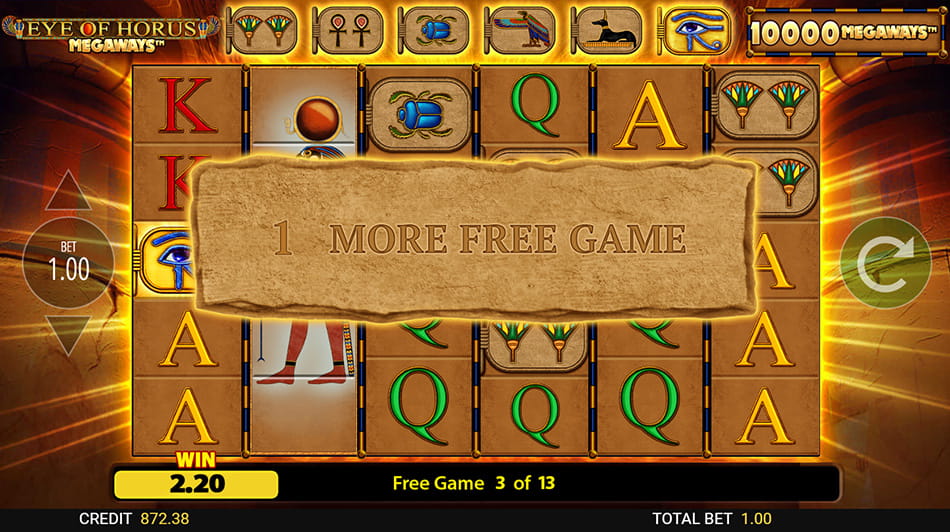
Exploring the Symbolism of the Eye of Horus
As we explore the rich symbolism of the Eye of Horus, we uncover its profound significance in ancient Egyptian culture and its enduring legacy. This symbol, reflecting protection and restoration, offers us deep insights into not just spirituality, but also resilience in the face of adversity.
- The Eye of Horus signifies healing and wholeness, emphasizing the sanctity of life.
- It serves as a protective amulet, covering not just the physical but also the metaphysical, symbolizing safe passage in life’s journey.
- Its connection to the afterlife illustrates ancient significance in understanding change and transformation.
Through this lens, we can appreciate how the Eye of Horus continues to inspire compassion and hope, even in modern contexts like hospice care.
The Intersection of Hospice Care and Entertainment
As we examine the intersection of hospice care and entertainment, we understand the crucial role that distraction can play in offering comfort during challenging times. Participating in activities not only lift spirits but also promote meaningful connections, permitting patients and their families to form cherished memories. Together, we can value how carefully designed entertainment experiences can improve the quality of life in hospice settings.
Comfort Through Distraction
In hospice care, the power of entertainment presents a unique avenue for delivering comfort, allowing both patients and their families to avoid the weight of reality, even if just for a short while. Entertainment acts as one of our essential comfort strategies, using distraction techniques that promote peace amidst distress.
Here are a few efficient methods:
- Music Therapy
- Films and Shows
- Games and Puzzles
Meaningful Engagement Activities
While hospice care often centers on providing ease through distraction, it also emphasizes the importance of meaningful involvement activities that foster connections among residents, families, and caregivers. These activities encourage creative expression, allowing individuals to explore their thoughts, emotions, and experiences in a supportive environment. By engaging in art, melody, or narration, patients can create meaningful connections that transcend the limitations of their circumstances. Such interactions not only enhance the quality of life but also strengthen bonds between loved ones. We recognize that this blend of hospice care and entertainment isn’t just about passing time; it’s about nurturing relationships, facilitating healing, and celebrating life’s moments. Ultimately, these activities enrich the end-of-life experience in profound ways.
Creating Joyful Moments Through Games and Activities
Although our time may be limited, we can still create meaningful and joyful moments through games and activities in hospice care. Engaging in these experiences not only fosters connection but also brings smiles during challenging times. Here are some ways we can incorporate joyful games and activities:
- Board games
- Art projects
- Memory sharing
The Importance of Emotional and Spiritual Comfort
As we create happy moments through games and activities, it’s crucial to recognize the greater significance of mental and inner comfort in hospice care. Providing a supportive environment encourages emotional healing, enabling patients to find solace and peace during their concluding days. Spiritual practices, whether through individual reflection, prayer, or collective gatherings, can play a crucial role in this process. They help us connect with deeper meanings and provide a sense of closure. By acknowledging each individual’s distinct spiritual needs, we not only improve their quality of life but also affirm their dignity. Together, we can assure that every patient receives the thorough care they deserve, encompassing both the mental and soulful dimensions of their journey.
Testimonials: Real-Life Experiences in Hospice Settings
When we hear the testimonials of families and patients in hospice settings, we gain irreplaceable insights into the deep impact of this care. These testimonials disclose real-life hospice experiences that underline the importance of dignity and compassion during trying times.
- Families often convey gratitude for the emotional support they receive, which helps them manage grief.
- Patients portray feeling strengthened, as their voices are heard and respected in decisions about their care.
- Many remember the serene environment that allows them to focus on significant moments with loved ones.
These powerful narratives not only highlight the essence of hospice but also bring to mind us of the significant human connection that can thrive even in the face of adversity.
Conclusion
In reflecting on hospice care, we acknowledge its profound influence as a haven where dignity and comfort dominate. Just like the Eye of Horus embodies protection and healing, our commitment to compassionate support sustains the emotional and spiritual well-being of those at the end of life. By combining moments of joy through games and activities, we honor individual journeys and create lasting memories, ultimately leading to peace and solace during life’s most challenging times.